Our makers. Rooted in craft.
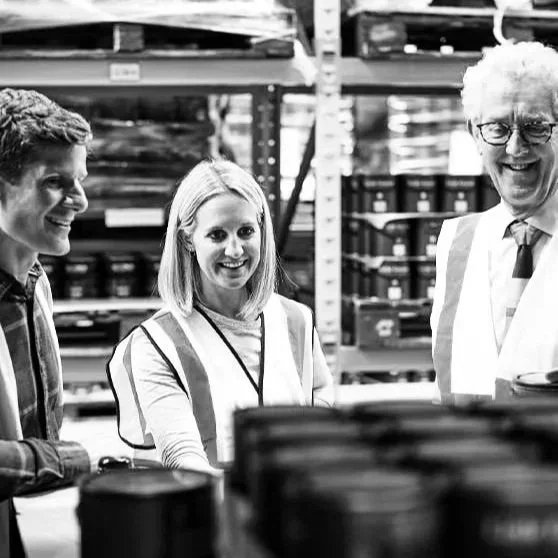
“Color is personal: evenings testing samples at the kitchen table, days refining formulas at the mill.”
Little Greene Paint & Paper
Records from 1773 reference a small dye works on the banks of the Irk and Irwell in Collyhurst Wood — a landscape still printed on every Little Greene tin. The company was revived in 1996 by chemist David Mottershead, who believed paint should carry depth, authenticity, and the patience of true craftsmanship. His children, Ruth and Ben, now continue that vision in the family's Welsh factory, overseeing each pigment, finish, and pattern with care. Heritage Home Supply is the exclusive Midwest source for Little Greene Paint and Paper.
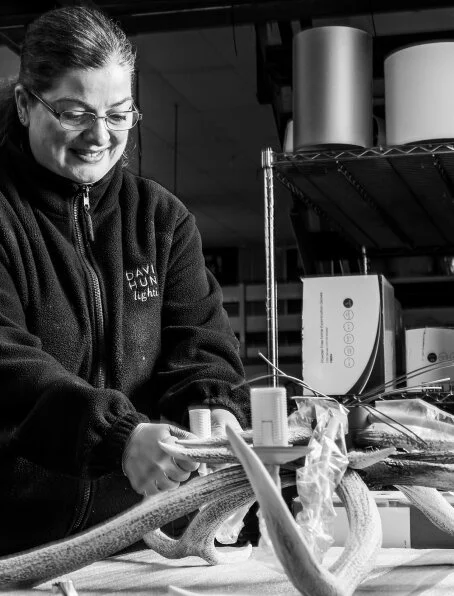
"Across ten generations, the Hunts carried forward two enduring traditions: the eldest son was named John, and each devoted his life to crafting light."
David Hunt Lighting
The earliest recorded Hunt family artisan was John Hunt, born in 1687 — a master brass founder crafting candlesticks during the Hanoverian era. Through the Industrial Revolution, the Great Exhibition of 1851, and into the electrical age, the company evolved alongside new technologies without abandoning its craft. Today, every piece is still handmade to order in their Cotswolds workshops, where traditional technique meets bespoke sensibility. Heritage Home Supply is the exclusive US retailer of David Hunt Lighting.
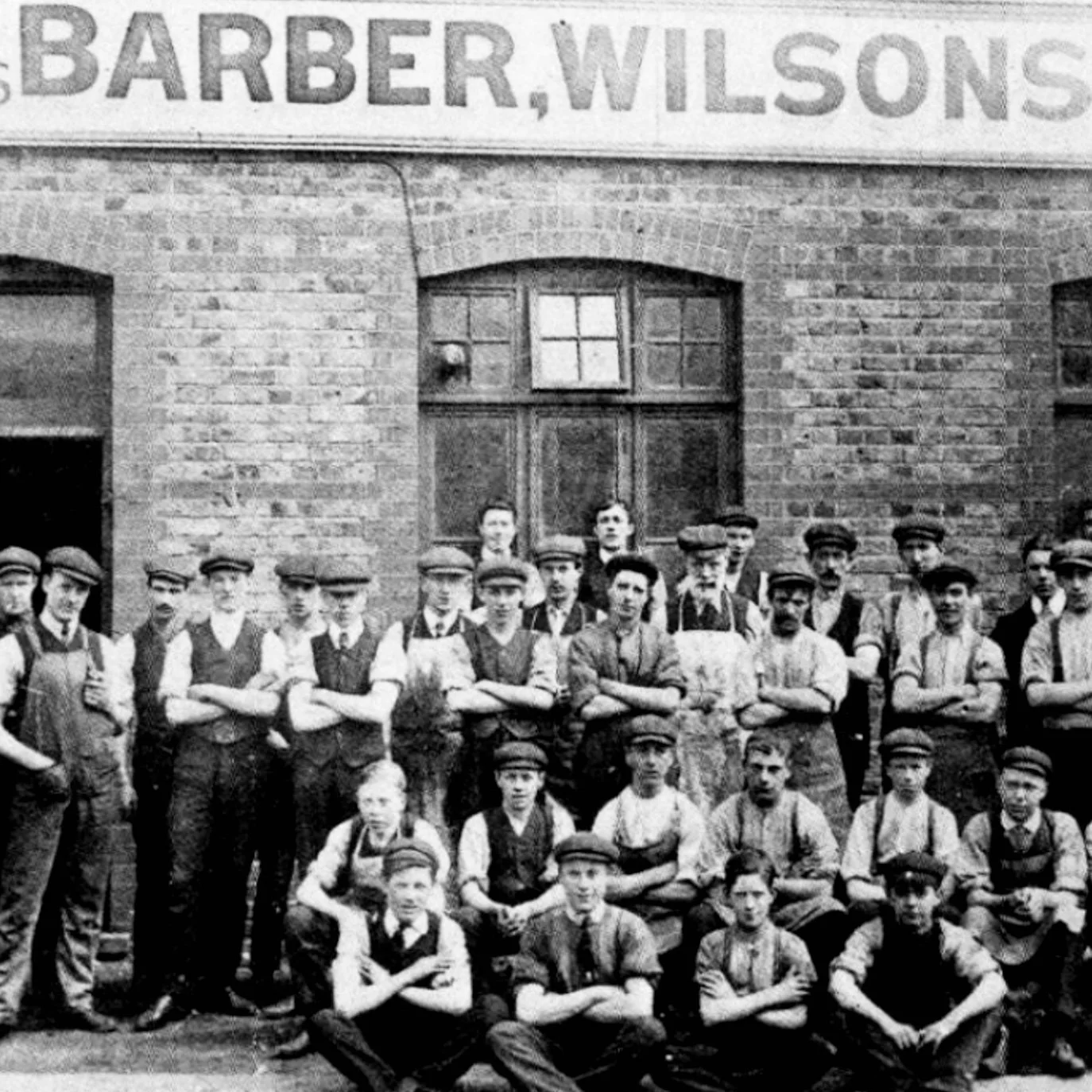
"Fittings defined by weight, precision, and timeless proportion."
Barber Wilsons & Co.
Barber Wilsons & Co. began in London in 1905, when brothers Walter and William Wilson partnered with Edward Barber to form a workshop devoted to finely made brassware. Rooted in casting, forging, and careful hand-finishing, their work was built for daily use and long life. Across four generations, the company endured war, revived classic designs, and earned a Royal Warrant — evolving without losing its character. The taps and fittings that arrive in Chicago carry that same weight, precision, and quiet permanence.

"Hardware made with the same integrity as the objects people truly cared about."
Buster + Punch
Buster + Punch began in a small East London garage, where architect Massimo Buster Minale started hand-crafting custom motorcycle parts for friends in the city's creative underground. What he found was a gap: hardware made with the same integrity and attitude as the objects people truly cared about. The studio now designs switches, handles, lighting, and hardware with jewelry-grade detailing — knurled metal, solid brass, and machining normally reserved for performance parts. Still independent, still design-led, still made to feel extraordinary.
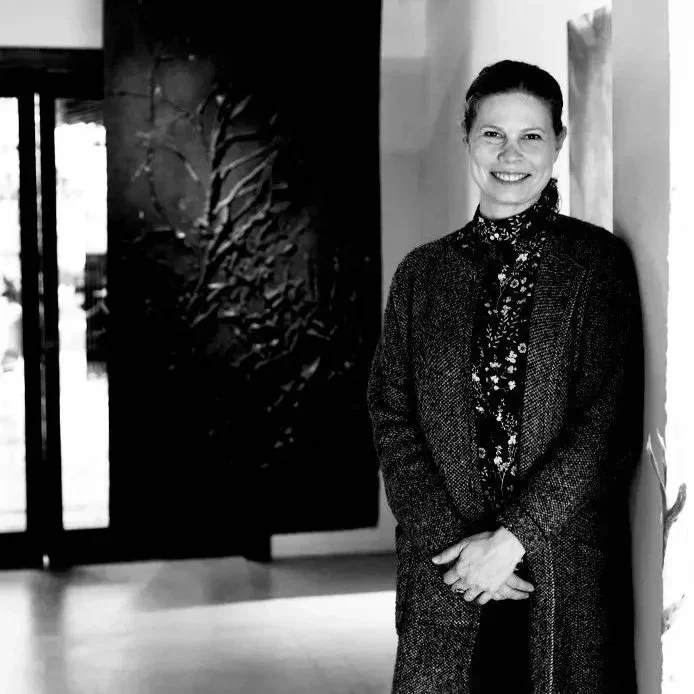
"Every pattern begins with something living, gathered, pressed, and carried forward before it disappears."
Jaclyn Mednicov
Jaclyn Mednicov grew up surrounded by uniform suburban architecture and found her earliest sense of wonder in nature. That refuge became the heart of her multidisciplinary practice, which explores botanicals as both material and metaphor. Using plants gathered locally or gifted by loved ones, she presses them into clay or encases them in washi paper, capturing details at the edge of decay and reflecting on time's quiet impermanence. Her wallpaper collection brings these ideas into interior spaces, pairing her own designs with patterns created in collaboration with a traditional block-printing workshop in Kyoto, Japan. Jaclyn is a Chicago-based artist with an MFA from the School of the Art Institute of Chicago, supported by grants from the National Endowment for the Arts, 3Arts, and the Netherland-America Foundation.

"The supporting actor kept stealing the scene."
Country Floors
In 1964, New York photographer Norman Karlson kept noticing something on assignment across Europe: the floors and walls weren't background — they were the scene. In old hotels, seaside villas, and city apartments, tile was architecture with personality. People began asking about the tile in the background of his photographs, and that curiosity became commerce: Karlson returned to the US and began importing European tile rarely seen here, building a company around the idea that what's underfoot shapes everything above it.

"Honest materials, steady craft, and a family name carried with pride."
Tureks & Marble Systems
In 1982, İsmail Ünal Turunç opened a small workshop in Afyon, a quiet corner of Anatolia shaped by ancient quarries and a long tradition of stonework. What began as a family practice built on discipline and durable workmanship grew steadily under the next generation. Today, still family-owned, Tureks Turunç supplies the stone that becomes kitchens, entryways, and gathering spaces in communities like ours. The slabs and tiles that arrive in Chicago come from people who have treated stone as a living heritage for generations.
Margraf
Margraf began in 1906 in Chiampo, a village in the Venetian Pre-Alps, when Industria Marmi Vicentini started extracting marble from local quarries. Through generations of growth and stewardship, the company has become one of the world's most respected natural stone suppliers, offering over 400 types of stone. Their Rethink Marble initiative reflects a serious environmental commitment: 35% of energy from on-site solar, 77% of water purified and reused, 2,000 trees planted within quarry areas, and 85,000 tonnes of scrap marble recovered. Margraf proves that legacy and accountability are not in conflict.
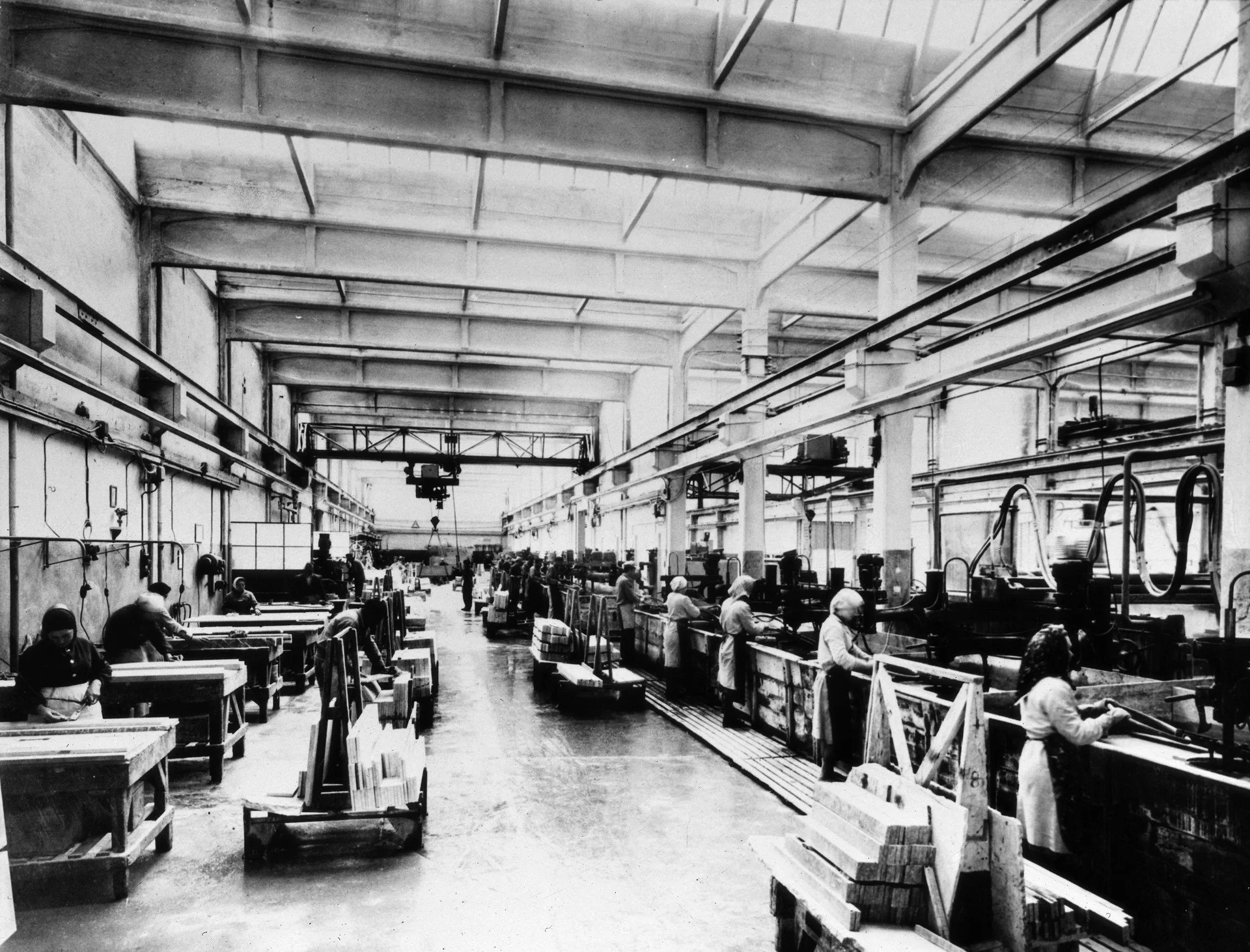
"Still a family-owned business — a leader among the world's most advanced stone manufacturers."
White River Hardwoods
White River Hardwoods began in the mid-1970s, when Bruce and Joan Johnson noticed that new American homes were being finished with the same uniform softwood mouldings. They built a company around Poplar and Red Oak stain-grade mouldings rooted in classical proportions — helping architects, designers, and homeowners rediscover refined profiles and rich timber details. Today, still family-owned, White River offers more than 3,000 in-stock mouldings, corbels, carvings, and architectural elements, all made in the USA. Their work brings character and substance back into American homes.
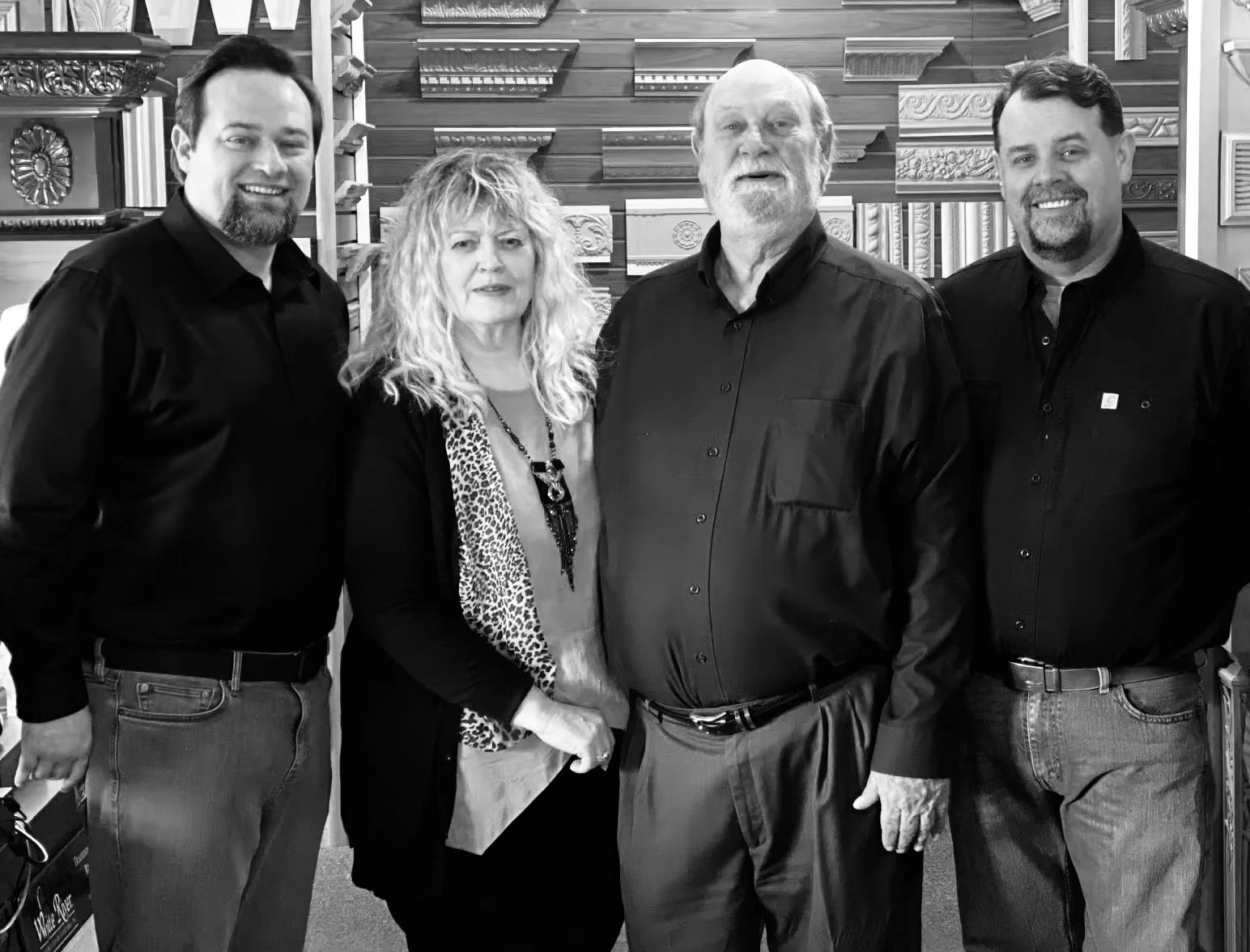
"True craftsmanship had quietly disappeared. They set out to change that."
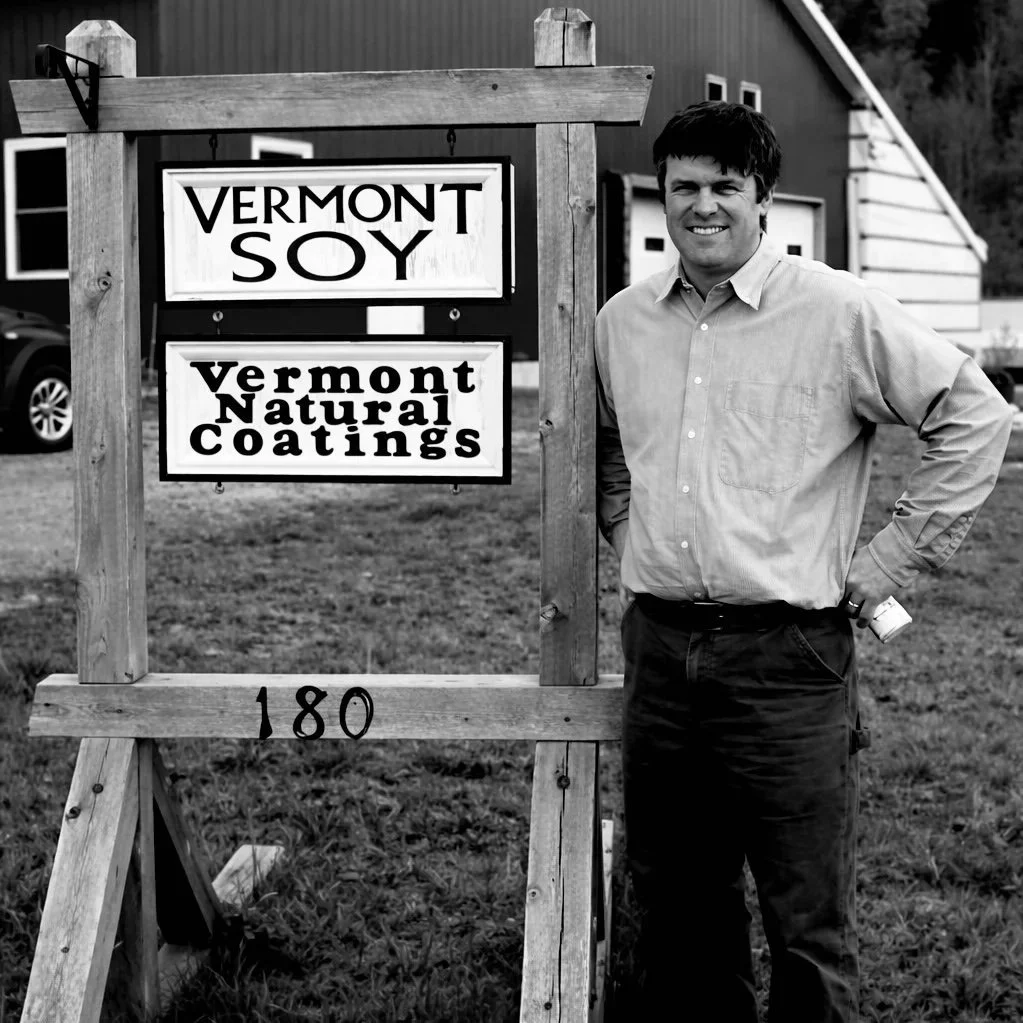
"Innovation often begins by honoring what already exists."
Vermont Natural Coatings
Vermont Natural Coatings traces its origins to an organic dairy farm in Hardwick, Vermont, where founder Andrew Meyer grew up surrounded by land, livestock, and the realities of stewardship. That setting sparked an unconventional idea: transforming whey, a byproduct of cheesemaking, into a high-performance, non-toxic wood finish. Through years of research, the company developed a proprietary whey-protein technology that replaces petroleum-based binders — resulting in a durable, low-VOC coating that protects wood while preserving its natural character. Rooted in farming and refined through science, Vermont Natural Coatings remains committed to materials that are safer for homes, craftspeople, and the environments they inhabit.
Speedheater
In 1988, Swedish inventor Birger Ericson confronted a problem familiar to restorers: the tools used to remove old paint were damaging the very wood they aimed to preserve. His answer was a gentle infrared technology that released paint without scorching or harming the surface beneath and when he introduced the first Speedheater in 1991, restoration work changed. Every model is still developed and tested in Alingsås, rooted in Swedish craftsmanship and a commitment to tools that genuinely help people. In Chicago, the Speedheater line is available exclusively at Heritage Home Supply.

"Thirty years of protecting the surfaces everyone else was ruining."
Modern Matter
Modern Matter began with the belief that hardware should feel as intentional as jewelry. Founded by the Davis family, the studio grew from a shared appreciation for craftsmanship and the tactile beauty of well-made objects — evolving from a small collection of hand-cast brass knobs into a full hardware line rooted in jewelry-making techniques: solid brass casting, custom finishes, stone inlays, and hand-polished details. Each piece is made in small batches, with the touch of the craftsperson still evident in its surface. Still family-led, still deeply considered.